

Michigan Land Buyers: How to Sell Land Fast for Cash
Which Land Buyer Fits Your Selling Priorities?
Choosing among local purchasers starts with deciding what you are willing to trade for convenience. An investor's cash offer may be lower than the price an eventual end user would pay. In return, you may avoid a public listing, repeated visits, and a financing contingency. That trade only works if the written terms match the promise.
Before requesting bids, write down your preferred timing, minimum acceptable proceeds, and willingness to handle inspections or marketing. Someone with unwanted land and mounting expenses may value a predictable exit. An owner of a well-positioned building lot may prefer a traditional sale with broader exposure. Neither choice is automatically better.
The useful comparison is not who says they pay most. It is who understands the acreage, has the ability to close, and explains what could change the agreement. Treat a verbal number as preliminary until the purchaser has reviewed the facts. A reputable land buying company should be comfortable telling you what it still needs to verify.
If you want to sell your land but are not ready to commit, request information without signing an exclusive agreement. You can ask for a sample contract, a closing-provider contact, and the company's legal name. Keep the replies together so you can compare consistent information instead of relying on a friendly phone conversation.
Cash Land Buyer, Neighbor, or Real Estate Agent?
A cash land buyer generally evaluates resale potential, holding expenses, and uncertainty before making a bid. That can suit raw land with limited amenities or an owner who lives far away. The investor's discount should be understood as part of the business model, not confused with an independent appraisal of the highest possible value.
A neighbor may see a use that others miss: additional road frontage, room for equipment, or control of an adjoining boundary. Contact can be simple, but familiarity does not replace a written contract. The parties still need to agree on the exact area conveyed and use a documented closing process.
A real estate agent can expose the property to end users and help manage inquiries. Ask about experience with acreage rather than only house sales, the marketing plan, and compensation. Realtor fees are negotiable contract terms, not a universal charge. Compare the expected net after those expenses with an investor's proposal.
Specialist purchasers may be appropriate for agricultural land, timber tracts, or commercial land. Some firms specialize in buying acreage they can divide or improve. Their proposed use may create a longer inspection period. If approval from a local authority is essential, the seller should know whether the contract depends on that approval before taking the property off the market.
For a remote owner, working with cash land purchasers can reduce coordination, but it does not remove the need to read documents. Ask who will inspect the site, who has permission to enter, and whether any survey or environmental testing is planned. Do not allow clearing, excavation, or other changes based only on an informal discussion.
Review the Offer for Your Land Beyond the Headline Price
Put competing proposals into a short comparison sheet. Record the amount, deposit, inspection deadline, funding conditions, settlement provider, and responsibility for closing costs. Include the right to assign the contract and any automatic extension. A higher number can be less useful if the purchaser can walk away late without meaningful consequences.
Ask for proof of funds appropriate to the transaction. It should identify the purchasing party or explain the relationship between that party and the funder. Do not request unnecessary private account information; a redacted bank letter or confirmation acceptable to the closing provider may be sufficient. Follow up on inconsistencies before signing.
Some businesses purchase land directly; others seek another investor to take over their agreement. Assignment is not inherently improper, but it changes your closing risk. Ask whether the company expects to buy your land itself, what happens if its partner withdraws, and whether you can approve a substitute purchaser.
A fair offer should state which expenses the purchaser covers. If an advertisement says no fees, ask whether that includes recording, title work, and settlement charges, and distinguish those charges from your own debt payoffs. Existing balances can reduce cash for your property even when no commission is charged.
Request an estimated settlement statement before the final signing. The best way to compare cash for your land is to compare likely proceeds, not gross prices. Ask a tax professional about your situation separately. A purchaser's estimate is not a personal tax calculation, and a cash sale is not automatically tax-free.

What Cash Buyers Check Before a Land Sale
Start with the county and parcel number, approximate acreage, owner names, and access description. Supply maps and recent photographs if available, but label uncertain facts. A tax map is a useful locator, not a guarantee of legal boundaries. If you have a survey or recorded access agreement, make it available through a secure document exchange.
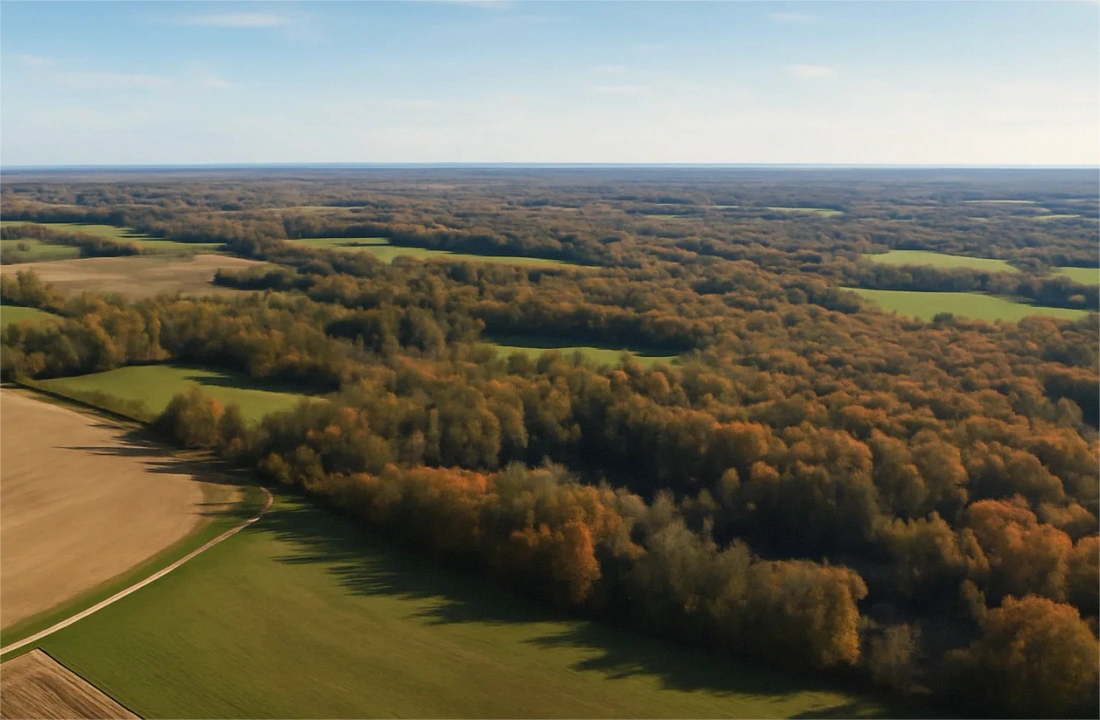
Vacant land in Michigan varies widely in usable area. A wooded tract with seasonal standing water is different from a dry building site. Road maintenance, available utilities, terrain, and distance from services can affect demand. A purchaser should explain which of these factors changed the proposed price instead of using a vague statement that the acreage is difficult.
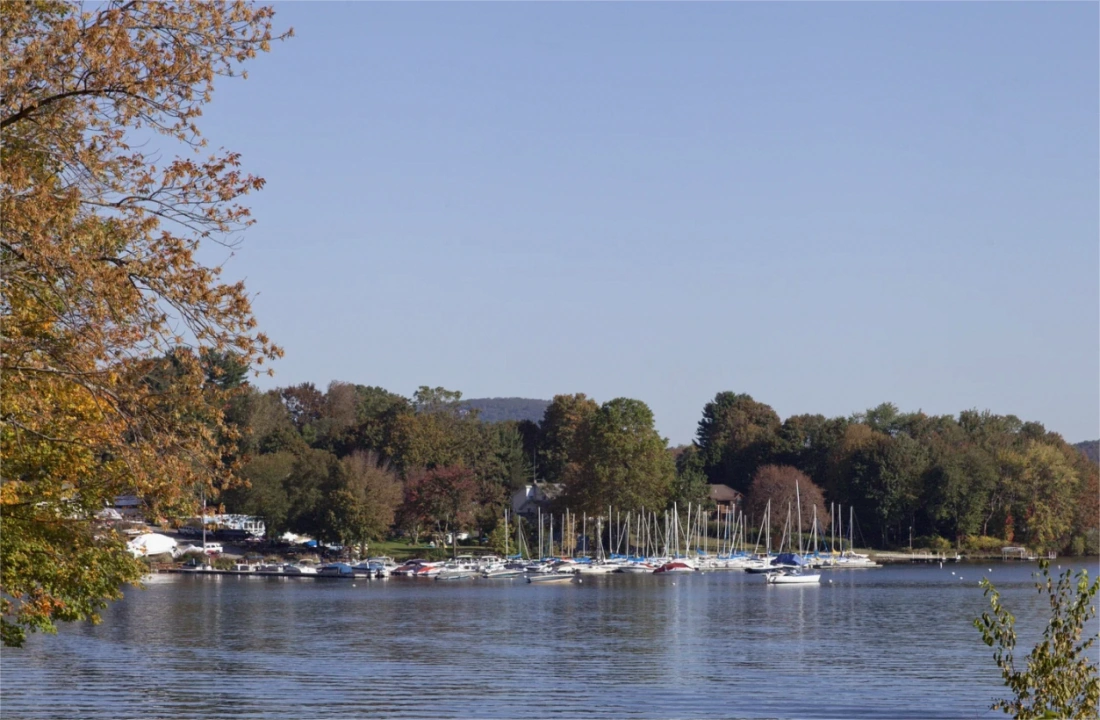
For property in Michigan near a lake or wet area, do not advertise a buildable site solely because neighboring houses exist. Ask the local zoning office and appropriate permitting authorities what has actually been approved. A potential use is not the same as permission to carry it out. Retain written replies so later reviewers can distinguish official information from assumptions.
Inherited land may require additional signing-authority documents. Ask the closing provider what it needs rather than assuming a tax bill in your name proves that you alone can convey the property. Unresolved ownership can delay or prevent settlement. A real estate attorney can advise on the specific concern when the answer is outside routine title processing.
Also disclose unpaid property taxes, leases, and known access disputes early. Those issues do not necessarily rule out a sale, but hiding them usually makes the review slower. A firm willing to make you a cash offer should distinguish a preliminary estimate from final terms based on completed due diligence.
Can You Sell Land Fast for Cash Without Losing Control?
If you need to sell land, be specific about the deadline and why it matters. Paying annual property taxes on unused acreage may be manageable for one owner and a serious burden for another. Ask for the steps that must be completed before funds are released, not just the earliest advertised closing.
We buy land for cash subject to review and an acceptable closing path. When title is ready and the parties agree, a transaction may close in as little as 2 weeks. That is a possibility, not a promise for every file. Probate questions, missing releases, inaccessible records, or unsigned amendments can change the timing.
If a company promises to sell your land fast and easy, ask who is actually purchasing it. A service that markets your acreage is not the same as a firm committing its own funds. Convenience should describe fewer unnecessary steps, not pressure to waive review or sign documents you do not understand.
Keep the inspection period finite and clarify whether extensions require your approval. If an inspection reveals a real problem, request the report or other evidence behind any proposed reduction. You can evaluate a documented change without accepting an unexplained last-minute discount. Do not mistake an expiring sales pitch for a genuine legal deadline.
Before wiring or receiving funds, independently confirm settlement instructions through a trusted contact. Be wary of a sudden email changing account information. Do not send an upfront payment to release an alleged purchase payment. Let the established settlement provider explain how signing, recording, and disbursement will be coordinated.
Decide Whether to Sell Land for Cash or Keep Marketing
Owners who sell their land successfully tend to compare alternatives before a contract restricts them. Obtain a realistic local real estate opinion if the value is uncertain. Recent land sales with similar access and use potential are more informative than an expensive advertised lot that has never found a purchaser.
If you plan to sell your vacant land yourself, budget time for photographs, inquiries, visits, and negotiations. A direct sale may spare much of that workload, while public marketing may find someone willing to pay more. Selling undeveloped land can be hard when the audience is narrow, so choose the route based on actual interest rather than an optimistic estimate.
To sell your land in Michigan with confidence, choose the agreement you can explain plainly: who is buying, what they will pay, which costs remain yours, and when either side can end the deal. Buying and selling acreage involves uncertainty, but the contract should not add avoidable confusion.
We review land across the state of Michigan and can explain our process before you decide. Send the county, ownership notes, and your preferred timeline through the offer form. We may make you an offer after review, or explain why the property is not a fit. You remain free to compare that response with another proposal, a listing, or continued ownership.
Want a Direct Michigan Land Offer?
Send the APN and county for a no-obligation review. We will look at the parcel facts and explain the next step.